
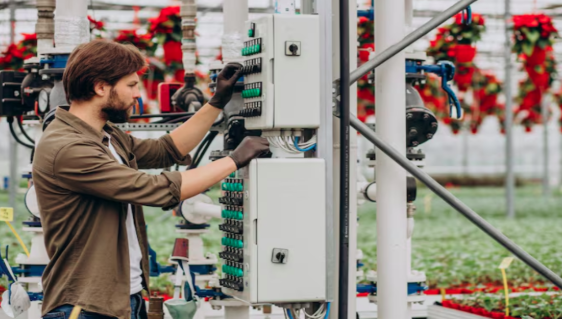

Operating a modern industrial facility requires a delicate balance of technical precision, proactive maintenance, and strategic planning. When complex machinery and high voltage systems work in harmony, productivity remains high and safety risks are minimized.
However, the failure of even a single minor component can lead to cascading delays and significant financial losses.
Ensuring a smooth operation involves more than just reacting to problems; it requires a comprehensive approach to infrastructure health and resource management. Here are the essential tips to keep an industrial environment running without interruption.
1. Implementing Rigorous Transformer Maintenance Protocols
Electrical stability is the foundation of any heavy industry, and the health of your power distribution system is paramount. Regularly scheduled transformer maintenance is critical for preventing sudden blackouts and equipment damage.
During routine transformer maintenance, technicians check for oil leaks, test insulation levels, and monitor internal temperatures to ensure the unit is operating within safe parameters.
By identifying minor electrical faults before they escalate, facility managers can extend the lifespan of their power hardware and avoid the catastrophic costs associated with unplanned power failures.
2. Optimizing Fuel Reliability with a Reliable Day Tank
For facilities that rely on backup generators or oil fired boilers, the consistent delivery of fuel is a non negotiable requirement. Integrating a high quality day tank into your fuel system ensures that a ready supply of filtered fuel is always available for immediate use.
A properly maintained day tank acts as a buffer between the main storage and the engine, preventing air locks and ensuring that the fuel remains at the correct pressure.
Monitoring the sensors and pumps of your day tank daily will guarantee that your emergency systems engage instantly during a primary power loss.
3. Prioritizing Predictive Maintenance and Monitoring
Moving away from a reactive mindset is the most effective way to improve industrial efficiency. Predictive maintenance uses sensors and data analytics to monitor the vibration, heat, and noise levels of rotating equipment in real time.
This technology allows engineers to predict exactly when a bearing or belt is likely to fail, allowing for repairs to be scheduled during planned downtime.
By using these advanced diagnostics, a plant can significantly reduce the number of emergency repairs and keep the production line moving at a steady pace.
4. Investing in Continuous Employee Training
Technological advancements are only as effective as the people who operate them. A smooth industrial operation depends on a workforce that is well trained in the latest safety protocols and equipment handling techniques.
Regular workshops and certification programs ensure that every team member understands their role in preventing accidents and optimizing throughput.
When employees feel confident in their ability to troubleshoot minor issues, the overall resilience of the facility increases, and the risk of human error related delays is greatly reduced.
5. Streamlining Supply Chain and Inventory Management
An industrial plant can be brought to a standstill by the lack of a single spare part or raw material. Maintaining an organized inventory of critical components is essential for rapid repairs. Utilizing modern inventory software helps track usage rates and automates the reordering process for essential supplies.
By building strong relationships with reliable vendors and keeping a strategic stock of long lead items, managers can ensure that the facility remains operational even during global supply chain fluctuations.