
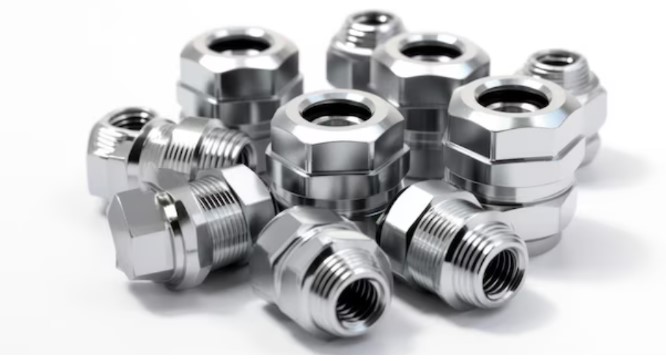

Fastening components securely is a crucial part of building, machinery, and automotive work. Over time, vibrations, movement, and external forces can cause regular nuts to loosen, leading to potential damage, accidents, or system failure. This is where locknuts play a vital role. Locknuts are specially designed to resist loosening and ensure a secure connection, improving safety and reliability in various applications.
What Are Locknuts?
Locknuts are a type of nut designed to resist loosening under vibration and torque. Unlike standard nuts, locknuts include a mechanism or material that increases friction, creating a tight grip on the bolt. They come in different types, such as nylon-insert locknuts, metal locknuts, and prevailing torque locknuts, each suited for specific applications. The unique design of locknuts allows them to maintain tension and prevent accidental loosening, even in high-vibration environments.
How Locknuts Work
The effectiveness of locknuts lies in their design and material. For example, nylon-insert locknuts have a nylon ring that grips the threads of the bolt, preventing rotation. Metal locknuts use deformation or special threading patterns to achieve the same effect. By creating additional friction or resistance, locknuts keep bolts firmly in place, reducing the chances of loosening. This mechanism is particularly important in machinery, vehicles, and construction, where vibration and constant movement can otherwise compromise the integrity of the fastening.
Benefits of Using Locknuts
Using locknuts offers several advantages beyond simply keeping components together. First, they significantly improve safety by reducing the risk of structural failure caused by loose nuts. Second, locknuts enhance the durability of assemblies, ensuring that machinery, vehicles, and structures remain reliable over time. Finally, locknuts reduce maintenance needs because they are less likely to loosen, saving time and resources that would otherwise be spent retightening fasteners.
Applications of Locknuts
Locknuts are widely used across many industries due to their reliability. In automotive applications, they secure critical parts like suspension systems, engine components, and wheels. In construction, locknuts provide extra safety for structural connections and heavy machinery. Industrial equipment and manufacturing also rely on locknuts to maintain secure assemblies in machines that experience frequent vibration and stress. By choosing the right type of locknut for a specific application, engineers and technicians can ensure safety and long-lasting performance.
Choosing the Right Locknuts
Selecting the appropriate locknuts depends on factors such as load, vibration, environmental conditions, and the type of material used. Nylon-insert locknuts are ideal for applications with moderate vibration, while all-metal locknuts work better in high-temperature or heavy-load situations. Correct sizing and proper installation are also essential to maximize the benefits of locknuts. Ensuring compatibility with bolts and adhering to manufacturer guidelines prevents potential issues and guarantees optimal performance.
Maintenance and Inspection
Even with locknuts, regular inspection is important to ensure ongoing safety. Periodically checking fasteners for wear, corrosion, or loosening is recommended, especially in high-stress environments. Locknuts can also be replaced if they lose effectiveness over time. Proper maintenance, combined with the inherent security of locknuts, creates a reliable and safe fastening system for any project or machinery.
Conclusion
Locknuts are an essential component for maintaining secure and safe fastenings. By resisting loosening under vibration and stress, they protect machinery, vehicles, and structures from potential damage and accidents. With their versatile designs and broad applications, locknuts improve reliability, reduce maintenance needs, and enhance overall safety. Choosing the right locknuts and maintaining them properly ensures a dependable fastening solution in both professional and industrial settings.
This makes locknuts a smart investment for anyone seeking durable, safe, and efficient fastening solutions.