

Introduction
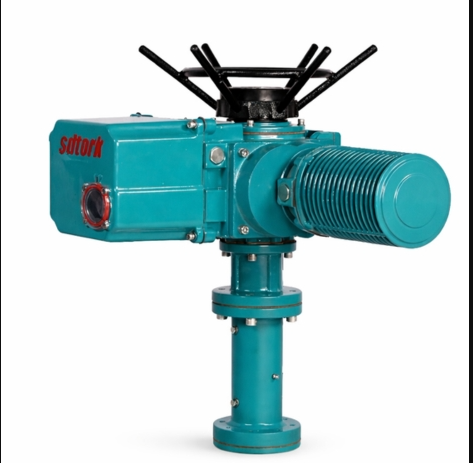
Industrial facilities depend on reliable valve and process-control equipment to maintain safe, efficient, and consistent operations. Electric actuators provide controlled mechanical movement for valves, dampers, gates, and other equipment, making them valuable components in automated systems. However, the requirements of each industry can vary considerably. Mining facilities may expose equipment to dust, vibration, moisture, and heavy operating loads. Steel plants can involve high temperatures, demanding production cycles, and challenging environmental conditions. Pharmaceutical facilities require accurate control, hygienic designs, and dependable operation throughout sensitive manufacturing processes. A Mining Industry Electric Actuator can support automated equipment control in mineral-processing environments, while a Steel Plant Valve Actuator is designed for demanding valve applications in steel production. A Pharmaceutical Valve Actuator can provide precise and repeatable valve movement where process consistency and cleanliness are essential.
Understanding Electric Actuators
An electric actuator converts electrical energy into mechanical movement. It commonly uses an electric motor, gearing, and control components to move a connected valve or other mechanical device. Depending on the design, an actuator can provide rotary or linear movement. The equipment may operate between two positions or provide intermediate positioning for more precise process control.
Electric actuators can be controlled locally or remotely through switches, programmable controllers, automation systems, or industrial networks. Advanced models may also provide position feedback, diagnostics, and communication capabilities. The correct actuator depends on several factors, including required torque, movement speed, duty cycle, environmental conditions, valve design, available electrical power, and control requirements.
Mining Industry Electric Actuator Applications
A Mining Industry Electric Actuator is used to automate valves, dampers, gates, and process equipment in mining and mineral-processing operations. Mining facilities often contain extensive systems for crushing, screening, conveying, separation, slurry handling, water management, and dust control. Automated equipment can help operators regulate these processes more efficiently.
Mining environments can be particularly demanding because equipment may be exposed to airborne dust, moisture, vibration, abrasive materials, and frequent mechanical operation. Actuators must therefore be selected according to the actual conditions at their installation location. Enclosure protection, mechanical durability, torque capacity, and electrical compatibility should all be evaluated.
Remote operation can also be valuable in mining facilities. Some valves and dampers may be installed in locations that are difficult or inconvenient for personnel to access. Electric actuation allows these components to be controlled from centralized or safer operating areas.
Challenges in Mining Environments
Mining equipment often operates under heavy mechanical loads and challenging environmental conditions. Fine dust can accumulate around machinery, while moisture may be present in processing and water-management areas. Continuous vibration from crushers, conveyors, pumps, and other equipment can also affect mechanical connections.
A Mining Industry Electric Actuator should therefore be matched with suitable environmental protection and mechanical capacity. The actuator should have sufficient torque to move the connected valve or gate under actual operating conditions. Mounting arrangements should also be strong enough to withstand expected vibration.
Maintenance accessibility should be considered during system design. Equipment installed in remote areas may require longer travel time for inspection, making reliable actuator operation particularly valuable. Preventive inspection can help identify loose connections, corrosion, unusual vibration, and other developing problems.
Steel Plant Valve Actuator Applications
A Steel Plant Valve Actuator is used to automate valves and other control equipment throughout steel production facilities. Steel plants contain numerous systems involving water, steam, air, gases, cooling circuits, hydraulic equipment, and process materials. Valves are used to control these flows at different stages of production.
Steel-making environments can expose equipment to elevated temperatures, dust, vibration, scale, and demanding production cycles. Actuator selection must therefore consider environmental conditions as well as mechanical requirements. Appropriate housing protection, sealing, temperature considerations, and mechanical durability can contribute to dependable operation.
Automated valves can also help improve process consistency. When actuators are integrated with plant control systems, operators can issue commands from centralized locations and monitor valve positions where feedback is available. This can reduce the need for manual adjustments and support coordinated operation of complex plant equipment.
High-Temperature Steel Production Areas
Some areas of a steel plant experience significant heat generated by furnaces, molten material, heating processes, and other production equipment. Actuators installed near these areas may require appropriate protection against elevated ambient temperatures.
A Steel Plant Valve Actuator should be selected according to the actual temperature at its installation point rather than simply the general temperature of the facility. Distance from heat sources, shielding, ventilation, and installation arrangements can influence the actuator’s operating environment.
Mechanical loads should also be considered. Valves controlling cooling water, compressed air, gases, or other utilities may require substantial torque. Correct sizing helps prevent motor overload and incomplete valve movement. Regular inspections can identify signs of heat-related deterioration and mechanical wear.
Pharmaceutical Valve Actuator Applications
A Pharmaceutical Valve Actuator supports automated control in pharmaceutical manufacturing, biotechnology, laboratory processing, and related facilities. These environments often require precise and repeatable control because process conditions can influence product quality and manufacturing consistency.
Valves may be used to regulate purified water, process fluids, cleaning solutions, gases, and other media. Automated actuation can provide consistent valve movement and allow equipment to be controlled through centralized systems. Depending on the process, the actuator may need simple open-and-close functionality or accurate intermediate positioning.
Pharmaceutical facilities also place strong emphasis on hygiene and contamination control. The actuator and associated valve assembly should be compatible with the equipment design, cleaning procedures, and environmental requirements of the installation.
Hygiene and Process Control
Pharmaceutical manufacturing often involves controlled environments where equipment must be easy to clean and maintain. While the valve itself is typically the primary component in contact with the process media, actuator selection still matters because the actuator forms part of the complete valve assembly.
A Pharmaceutical Valve Actuator should provide reliable and repeatable movement without interfering with cleaning or maintenance procedures. Installation should minimize unnecessary contamination risks and allow appropriate access for inspection.
Control accuracy is another important consideration. Automated valve positioning can support consistent process sequences, including filling, transfer, mixing, cleaning, and other manufacturing steps. Position feedback can provide confirmation that the valve has reached the intended state.
Comparing the Three Industries
Mining, steel production, and pharmaceutical manufacturing have significantly different operating requirements. Mining generally emphasizes environmental protection, mechanical durability, and resistance to dust and vibration. Steel plants may require equipment capable of operating around heat, dust, and intensive production cycles. Pharmaceutical facilities prioritize precision, cleanliness, repeatability, and compatibility with controlled manufacturing environments.
| Industry | Primary Considerations | Typical Applications |
|---|---|---|
| Mining | Dust, vibration, moisture, heavy loads | Slurry, water, air, and process systems |
| Steel | Heat, dust, vibration, high operating cycles | Cooling, gas, water, and utility valves |
| Pharmaceutical | Precision, hygiene, repeatability | Process fluids, water, gases, and cleaning systems |
The comparison demonstrates why actuator selection should be based on the specific application rather than using the same specification across different industries.
Torque and Speed Requirements
Torque is one of the most important factors when selecting a rotary electric actuator. The actuator must generate enough rotational force to move the valve under actual process conditions. Valve design, friction, pressure, temperature, and mechanical configuration can all affect the required torque.
Starting torque may be higher than running torque. Engineers should consider both requirements and provide an appropriate operating margin. An actuator with insufficient capacity may stall, overheat, or fail to complete its movement.
Speed is also important. Some industrial processes require slow valve movement to prevent pressure changes or process disturbances. Other applications may need rapid response. The actuator’s motor and gearing should therefore be selected according to the required operating time and process conditions.
Electrical and Control Requirements
Actuator performance also depends on electrical compatibility. Voltage, phase, frequency, control signals, and available power should be established before equipment selection. Modern industrial facilities may integrate actuators with programmable controllers, distributed control systems, or supervisory platforms.
Position feedback can provide useful information about valve status. Operators can determine whether a valve has reached its intended position rather than relying solely on the command signal. This can be particularly helpful in large facilities containing many automated valves.
For mining and steel applications, communication systems may need to operate reliably in demanding industrial environments. Pharmaceutical facilities may require carefully controlled automation systems to maintain process consistency and traceability.
Installation Considerations
Correct installation is essential for reliable actuator operation. The actuator should be properly aligned with the valve to prevent unnecessary mechanical stress. Couplings and mounting hardware should be secure, and the actuator should have sufficient clearance for operation and maintenance.
For a Mining Industry Electric Actuator, installation should account for dust, vibration, moisture, and accessibility. In steel plants, installation teams should evaluate heat exposure, dust accumulation, and vibration. Pharmaceutical installations require attention to cleanliness, accessibility, and compatibility with facility procedures.
Electrical connections should be correctly installed and protected. Before commissioning, technicians should verify rotation direction, travel limits, control signals, feedback functions, and valve movement.
Maintenance and Reliability
Regular maintenance can extend actuator service life and reduce unexpected failures. Inspection schedules should reflect the operating environment, cycle frequency, equipment criticality, and manufacturer’s recommendations.
Mining facilities may need to monitor dust accumulation, vibration, corrosion, and mechanical wear. Steel plants can pay particular attention to heat exposure, electrical connections, seals, and mechanical components. Pharmaceutical facilities should maintain appropriate inspection and cleaning procedures while ensuring that actuator operation remains consistent.
Changes in operating noise, vibration, speed, temperature, or current consumption can indicate potential problems. Identifying these changes early allows maintenance teams to investigate before the issue develops into a larger failure.
Benefits of Automated Valve Operation
Automated actuation provides several benefits across different industries. Remote control can reduce the need for manual valve operation and allow operators to manage equipment from centralized locations. Repeatable movement can also support process consistency.
In mining operations, automation can reduce unnecessary access to difficult equipment locations. In steel plants, automated valves can support coordinated operation of cooling and utility systems. In pharmaceutical facilities, accurate actuator movement can contribute to repeatable process sequences.
A properly selected actuator can also support maintenance planning. When feedback and monitoring functions are available, operators may receive useful information about equipment status and identify potential issues more efficiently.
Selecting the Right Actuator
Actuator selection should begin with the mechanical requirements of the connected valve. Required torque, movement angle, speed, operating frequency, and duty cycle should be determined before choosing a model. Environmental conditions should then be evaluated to ensure that the actuator is appropriate for the installation.
A Mining Industry Electric Actuator should be selected with attention to dust, moisture, vibration, and mechanical loading. A Steel Plant Valve Actuator should be evaluated for temperature, dust, vibration, and demanding production cycles. A Pharmaceutical Valve Actuator should be considered according to process precision, hygiene, control requirements, and facility conditions.
Correct sizing is critical. An undersized actuator may struggle to operate the valve, while an unnecessarily oversized model can increase cost and potentially create excessive mechanical loading.
Future of Electric Actuation
Electric actuator technology continues to develop alongside industrial automation. Modern systems can include digital communication, diagnostics, position feedback, remote monitoring, and configurable operating parameters. These features allow actuators to become more closely integrated with plant control systems.
Condition monitoring may also become increasingly important. Instead of relying exclusively on fixed maintenance intervals, facilities can use equipment information to identify changes in actuator performance. This approach can help maintenance teams prioritize inspections and reduce unexpected downtime.
Despite technological advances, fundamental engineering principles remain essential. Correct sizing, suitable environmental protection, proper installation, and regular maintenance will continue to influence actuator reliability.
Conclusion
Electric actuators provide controlled and repeatable movement for valves and other mechanical equipment across a wide range of industrial applications. A Mining Industry Electric Actuator can support automated control in environments affected by dust, vibration, moisture, and heavy mechanical loads. A Steel Plant Valve Actuator can provide dependable valve movement in demanding production areas where heat, dust, and intensive operation are common. A Pharmaceutical Valve Actuator can support accurate and repeatable control in facilities where hygiene, process consistency, and precision are essential.
The right actuator should always be selected according to the actual application. Torque, speed, duty cycle, environmental conditions, electrical requirements, control functions, and maintenance accessibility should all be considered. With appropriate specification, installation, and preventive maintenance, electric actuators can improve automation, operational control, process consistency, and long-term reliability across mining, steel, and pharmaceutical facilities.