

Introduction
Steel manufacturing involves high temperatures, heavy machinery, combustion systems, dust, fumes, and large volumes of process gases. Efficient movement and control of air and gases are therefore essential for maintaining stable production and protecting equipment. Steel Plant Dampers are important mechanical components used to regulate, isolate, divert, or shut off gas and airflow within industrial ducting and process systems. They can be installed in furnaces, exhaust systems, ventilation networks, dust-collection equipment, and other areas where controlled gas movement is required. Depending on the application, dampers may be manually operated or connected to pneumatic, hydraulic, or electric actuators for automated control. Their construction must withstand demanding environmental conditions, including heat, vibration, abrasive particles, and potentially corrosive gases. Selecting the right damper requires an understanding of the process, operating temperature, pressure, gas composition, required leakage performance, and frequency of operation.
What Are Steel Plant Dampers?
Steel Plant Dampers are flow-control devices installed in industrial air and gas-handling systems throughout steel production facilities. Their primary purpose is to control the movement of gases through ducts, pipelines, stacks, and process equipment. By changing the position of an internal plate, blade, disc, or louver, a damper can allow, restrict, redirect, or stop gas flow.
The exact design depends on the intended application. Some dampers are designed mainly for isolation, while others are engineered for flow regulation or diversion. Large industrial dampers may include heavy-duty shafts, reinforced frames, specialized seals, and automated actuators. Because steel plants can generate extreme heat and significant amounts of dust, damper materials and mechanical components must be selected carefully. A suitable design should maintain reliable movement and structural integrity throughout the expected operating conditions.
Role of Dampers in Steel Manufacturing
Steel production relies on multiple systems that require controlled airflow and gas movement. Furnaces, heating equipment, exhaust systems, cooling arrangements, and dust-collection installations all depend on effective flow management. Steel Plant Dampers help operators control these pathways according to changing process requirements.
For example, a damper can isolate a section of ductwork during equipment maintenance or redirect gases toward a specific processing unit. In ventilation systems, dampers can regulate the amount of air moving through different areas. In gas-handling systems, they can provide controlled isolation between equipment sections. This flexibility helps plant operators manage complex industrial processes while supporting equipment protection and operational continuity. Properly designed dampers can also reduce unwanted leakage and improve the overall effectiveness of gas-handling systems.
Common Types of Steel Plant Dampers
Steel plants may use several damper configurations depending on the application. Butterfly dampers use a rotating disc to control gas movement and are often selected where compact construction and rotary operation are beneficial. Louver dampers use multiple blades and can provide effective airflow regulation in larger duct systems.
Guillotine dampers use a sliding plate and are frequently associated with isolation duties where a strong physical barrier is required. Slide gates operate using a similar linear movement and can be useful for controlling or isolating specific process pathways. Diverter dampers are designed to redirect gas flow from one route to another. Each design has different characteristics concerning leakage, pressure drop, operating speed, temperature capability, and maintenance. Engineers should select the configuration according to actual process requirements rather than simply choosing a damper based on duct dimensions.
Materials and Construction
The demanding conditions found in steel manufacturing make material selection especially important. Damper bodies and blades may need to withstand high temperatures, abrasive dust, mechanical vibration, and corrosive gases. Carbon steel, stainless steel, and specialized alloys can be considered depending on the application.
High-temperature systems may require heat-resistant materials and seals designed to retain their performance during repeated thermal cycles. Reinforced construction can help large dampers resist deformation and mechanical stress. Shafts, bearings, linkages, and mounting components must also be selected for the expected load and environmental conditions. Thermal expansion deserves particular attention because damper components can change dimensions as temperatures rise and fall. A carefully engineered structure helps maintain alignment and movement while reducing the risk of premature failure.
Benefits of Steel Plant Dampers
One of the key advantages of Steel Plant Dampers is their ability to provide controlled gas and airflow management. Properly selected dampers can help operators isolate equipment, redirect process gases, and regulate ventilation. This can contribute to more stable process conditions and better control over industrial systems.
Automated dampers can further improve operational efficiency by allowing remote operation. Instead of requiring workers to manually access valves or dampers in hot or difficult locations, actuators can operate the equipment from a safer control area. Dampers can also support maintenance activities by isolating equipment sections before inspection or repair. When properly maintained, they can provide dependable service over extended operating periods. Their effectiveness depends on correct sizing, suitable materials, proper installation, and compatibility with the surrounding process equipment.
Automation and Actuator Systems
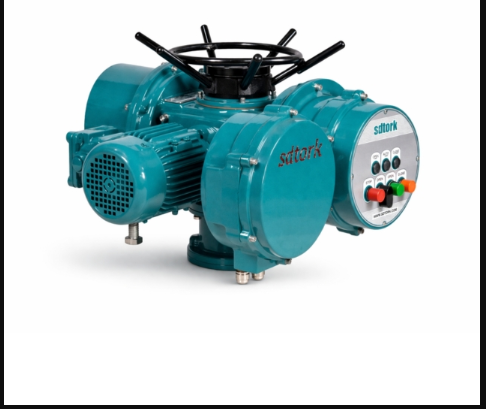
Modern Steel Plant Dampers are often combined with automated actuators to improve control. Pneumatic actuators can provide fast movement where compressed air is available, while electric actuators can offer convenient integration with digital control systems. Hydraulic actuators may be considered for applications requiring high mechanical force.
The actuator must be sized according to the damper’s dimensions, pressure conditions, temperature, gas velocity, seal resistance, and required operating speed. Position feedback can help operators confirm whether a damper has reached its intended position. Control systems can also use automated sequences, interlocks, and alarms to coordinate damper operation with fans, furnaces, filtration systems, and other equipment. Fail-safe arrangements may be required in critical applications so that the damper moves to a predetermined position if the control power or operating medium is lost.
Applications in Steel Plants
Steel Plant Dampers are used throughout different stages and supporting systems of steel production. They can be found in blast furnace gas systems, electric arc furnace exhaust arrangements, reheating furnace systems, dust-collection equipment, flue gas ducts, ventilation networks, and cooling systems.
In exhaust systems, dampers can help control the movement of hot gases and fumes toward filtration or treatment equipment. In dust-collection systems, they can isolate sections of ductwork and help direct airflow where it is required. Furnace applications may require specialized designs capable of operating at elevated temperatures. Large ventilation networks can use dampers to balance airflow between different plant areas. The specific configuration should always be matched to the process conditions and the required control function.
Maintenance and Inspection
Regular inspection is essential for maintaining dependable damper performance. Plant maintenance teams should examine blades, shafts, bearings, seals, actuators, linkages, and mounting structures for signs of wear or damage. Excessive dust accumulation can interfere with movement, while corrosion may weaken exposed components.
Operators should also monitor unusual vibration, slow operation, incomplete opening or closing, excessive leakage, and changes in actuator performance. Automated dampers should have their control signals and position feedback checked periodically. Maintenance schedules should reflect the severity of the operating environment and the frequency with which the damper cycles. Critical dampers may require more frequent inspection than equipment used only occasionally. Preventive maintenance can help identify problems before they lead to process interruptions or costly equipment damage.
Selecting the Right Damper
Choosing Steel Plant Dampers requires careful analysis of the intended operating conditions. Important factors include duct size, gas temperature, pressure, flow velocity, gas composition, dust concentration, corrosion potential, required leakage level, and operating frequency.
The required damper function should also be clearly identified. An isolation damper may need strong shutoff performance, while a regulating damper may require accurate intermediate positioning. Engineers should consider actuator requirements, available utilities, maintenance access, installation space, and expected service life. Special attention should be given to thermal expansion in high-temperature applications. A complete assessment of these factors can help ensure that the selected damper provides reliable operation and appropriate performance throughout the production cycle.
Improving Efficiency Through Proper Damper Design
Well-designed dampers can contribute to more efficient industrial gas-handling systems. Poorly selected or poorly maintained dampers may create excessive pressure losses, leakage, or unnecessary energy demand from fans and other equipment. Correct sizing and positioning can help maintain appropriate airflow while reducing avoidable resistance.
Seal condition is particularly important in applications where unwanted gas leakage can affect system performance. Proper actuator control can also prevent unnecessary cycling and help maintain the required damper position. Periodic inspection of the complete system allows plant operators to identify performance changes and address them before they become major operational problems. Efficient damper operation should therefore be considered as part of the overall design and maintenance strategy for steel-plant airflow systems.
Conclusion
Steel Plant Dampers are essential components for controlling and isolating air and process gases in demanding steel-production environments. Their applications range from furnace and exhaust systems to dust collection, ventilation, and gas-handling equipment. Different designs, including butterfly, louver, guillotine, slide, and diverter dampers, provide solutions for different operating requirements. Material selection, actuator sizing, sealing performance, thermal resistance, and maintenance all have a direct effect on reliability. By selecting dampers according to actual process conditions and maintaining them properly, steel plants can improve flow control, support equipment protection, reduce operational risks, and maintain dependable production. As steel manufacturing continues to adopt advanced automation, durable and intelligently controlled dampers will remain an important part of modern industrial infrastructure.